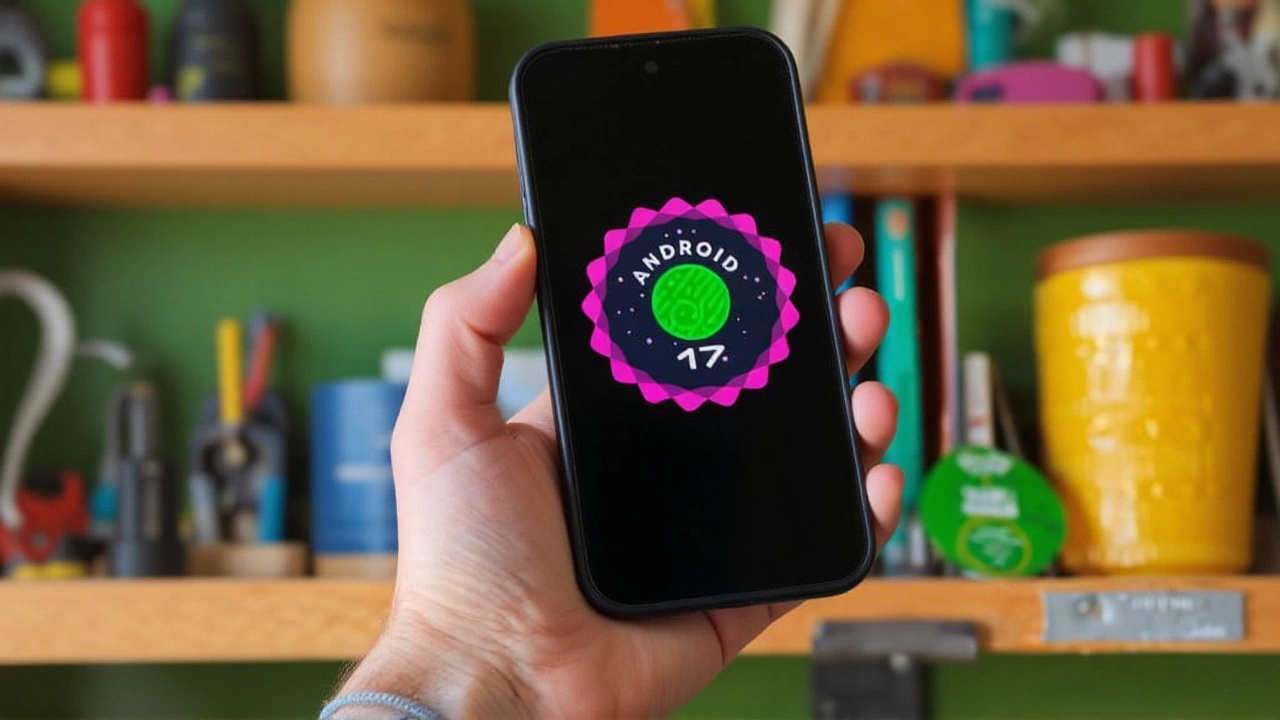
Google has officially pulled the curtain back on Android 17, the latest major iteration of its mobile operating system. The stable release hit supported devices on June 16, 2026, marking a significant shift in how users interact with their phones through deep artificial intelligence integration. If you're holding a compatible Google Pixel device, the update is likely already downloading to your phone.
The rollout began as part of the "June Pixel Drop," prioritizing Google's own hardware before trickling down to other manufacturers. But this isn't just another incremental update with a few bug fixes. Android 17, codenamed "Cinnamon Bun" during development, represents a fundamental redesign of multitasking, security, and creative workflows. It’s built around one central pillar: Google's aggressive push into generative AI via its Gemini models.
The Gemini Intelligence Revolution
Here’s the thing about Android 17: it doesn’t just add features; it automates them. At the heart of the new OS is "Gemini Intelligence," a suite of tools designed to execute multi-step tasks on your behalf. Think of it as having a digital assistant that actually understands context rather than just following rigid commands.
One of the most tangible examples is the new custom widget creation. Instead of hunting for third-party apps to build a specific dashboard, you can ask Gemini to create a widget tailored to your exact needs—whether that’s a weather summary combined with your calendar and commute time. It generates the interface dynamically. As Tech Advisor noted, this effectively ends the long wait for Google to manually develop niche widgets, outsourcing the design logic to AI.
The AI also powers "Screen Reactions," a feature aimed squarely at content creators. It allows you to record a picture-in-picture video of yourself reacting to on-screen content, using your actual display as the background. It’s a streamlined way to produce reaction videos or tutorials without needing external editing software immediately.
Redesigning Multitasking with Bubbles
If you’ve ever felt frustrated by switching between apps, Android 17 introduces a solution called "Bubbles." This feature creates a persistent taskbar across the bottom of the screen where you can pin frequently used applications. You can run up to five apps simultaneously in these floating orbs, allowing for rapid context switching.
The twist is that the system learns your habits. It suggests which apps to load next based on your current activity. For instance, if you’re reading an email with a link, Bubbles might suggest opening your browser or maps app in the background before you even tap. It’s a subtle but powerful change that makes the phone feel more responsive and less like a series of isolated screens.
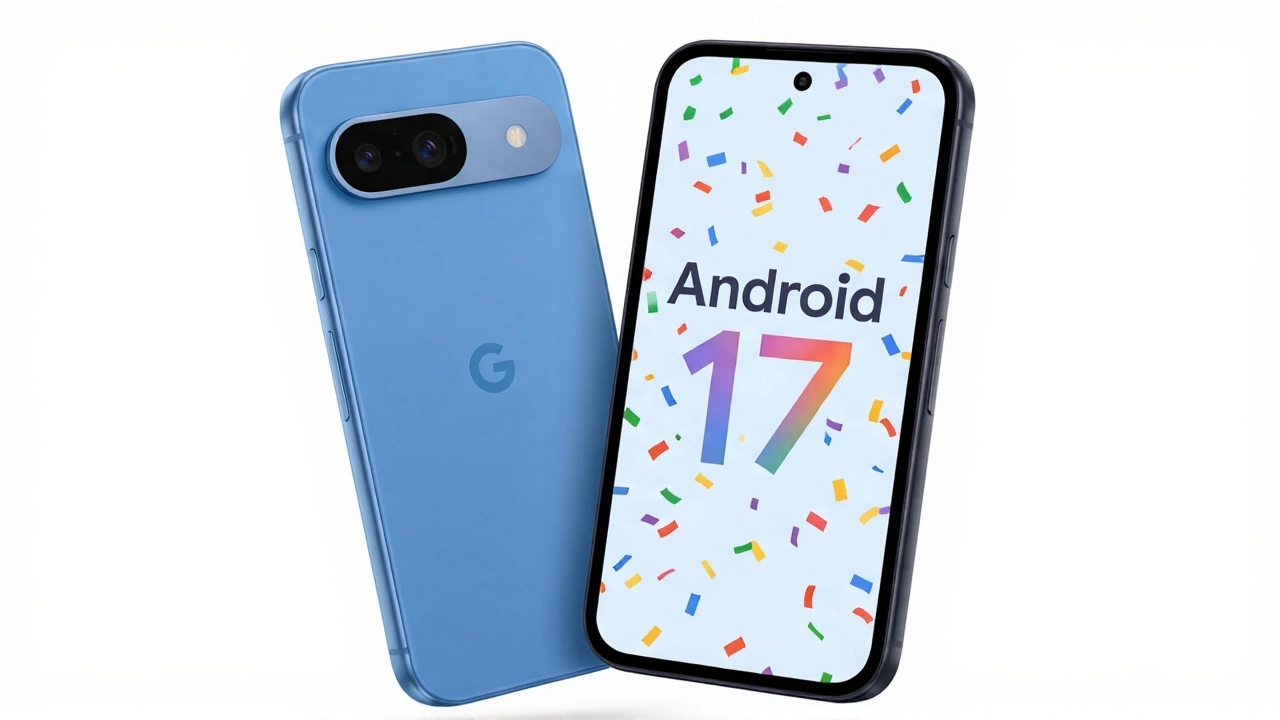
Security Upgrades That Actually Matter
Beyond convenience, Android 17 addresses growing concerns about digital safety. The new "Live Threat Detection" feature monitors installed apps for peculiar behavior in real-time. If an app starts acting suspiciously—perhaps trying to access data it shouldn’t—the system prompts you to uninstall it immediately. It’s a proactive shield against malware that often slips past traditional scanners.
There’s also a crucial update for stolen devices: "Mark as lost." Previously, thieves could simply hold the power button to shut down a phone, disabling tracking. Now, turning off the device requires biometric authentication (fingerprint or face unlock). A passcode or PIN alone won’t suffice. This small change significantly increases the chances of recovering a lost or stolen handset.
Who Gets the Update?
The rollout strategy is staggered, starting with Google’s ecosystem and expanding outward. On day one, the following Pixel models received the over-the-air update:
- Pixcel 6, 6 Pro, and 6a
- Pixcel 7, 7 Pro, and 7a
- Pixcel Fold and Pixcel Tablet
- Pixcel 8, 8 Pro, and 8a
- Pixcel 9 series (including Pro, XL, and Fold)
- Pixcel 10 series (including Pro, XL, Fold, and 10a)
Samsung Electronics is next in line. Flagship Galaxy S-series phones released after 2023 (S23 and newer) are expected to receive Android 17 shortly. Mid-range Galaxy devices launched after fall 2024 will follow. Other manufacturers like Honor, OnePlus, and Xiaomi have also confirmed plans to integrate the update, though timelines vary.
Interestingly, interoperability has improved too. Quick Share now generates QR codes that iPhone users can scan to receive files. It’s a small bridge between walled gardens, but it signals a broader trend toward cross-platform compatibility.
Creator and Developer Tools
For those who make content, Android 17 offers granular control. Developers now have deeper access to individual camera modules, allowing for more sophisticated photo and video apps. Gamers benefit from customizable controller button remapping, letting you map any physical button to any on-screen action.
Adobe Premiere Rush and Instagram have been optimized for the new OS, ensuring smoother performance for heavy editing tasks. Additionally, the screen recorder has received a UI overhaul, making it easier to capture gameplay or tutorials directly from the notification shade.
Frequently Asked Questions
When did Android 17 become available?
The stable public release of Android 17 occurred on June 16, 2026. However, the first public beta was available earlier, on February 13, 2026, allowing developers and enthusiasts to test features months before the official launch.
Which phones are eligible for the immediate update?
Initially, all Google Pixel devices from the Pixel 6 series onwards are eligible. This includes the Pixel 6, 6 Pro, 6a, 7, 7 Pro, 7a, Fold, Tablet, 8, 8 Pro, 8a, 9 series, and 10 series. Samsung Galaxy S23 and newer flagships are expected to receive the update in subsequent weeks.
What is the 'Bubbles' feature?
Bubbles is a new multitasking system that places pinned apps in floating orbs along the bottom of the screen. It allows users to run up to five applications simultaneously and quickly switch between them without losing context, enhancing productivity for power users.
How does Android 17 improve security?
Android 17 introduces Live Threat Detection to monitor app behavior in real-time and a 'Mark as lost' feature that requires biometric authentication to power off the device. This prevents thieves from shutting down the phone to disable tracking services.
Can I share files from Android 17 to an iPhone?
Yes. Android 17 enhances Quick Share by allowing users to generate a QR code. An iPhone user can scan this code to securely receive selected files, bridging the gap between Android and iOS ecosystems for simple file transfers.