It happens more often than people admit. You’re sitting across from a client who’s paying well, talking confidently, and clearly values your time. But then it hits you-the breath smells like last night’s takeout and regret. Or the sweat stains on their shirt tell a story no one asked for. You smile, nod, and think: How do I say something without losing the job?
This isn’t about judgment. It’s about professionalism. And yes, even in industries where money talks louder than manners, hygiene still matters. A lot of clients don’t realize how off-putting poor hygiene can be. Some are just stuck in bad habits. Others are dealing with stress, health issues, or isolation. You don’t need to fix their life-you just need to make the interaction comfortable. That’s where gentle, smart communication comes in. You’ve probably seen posts on prostitute dubai forums discussing similar situations, where clients expect luxury service but bring none of the personal care that comes with it. It’s not unique to one place or one industry.
Why Hygiene Isn’t Just About Smell
Good hygiene isn’t a luxury. It’s a baseline for human interaction. When someone walks into your space-whether it’s a private apartment, a hotel room, or a rented office-they’re not just paying for your time. They’re paying for an experience. And an experience includes clean sheets, fresh air, and the absence of body odor that makes you want to open a window mid-conversation.
Think about it: if you went to a restaurant and the waiter had greasy hair and sour breath, would you enjoy the meal? Probably not. Same logic applies here. Clients might not say anything, but they notice. And if they notice, they remember. One bad interaction can mean they don’t come back-and they might tell others.
How to Spot the Signs Without Being Creepy
You don’t need to sniff someone the moment they walk in. But there are subtle cues:
- They avoid close proximity, even when sitting across from you
- They keep a hand near their mouth or nose during conversation
- They’re overly apologetic about being "a bit tired" or "just came from work"
- You catch a whiff of stale smoke, alcohol, or unwashed clothes
These aren’t red flags-they’re signals. And signals can be addressed without confrontation.
The Script: What to Say (and What Not to Say)
Here’s the thing: you can’t say, "You stink." Even jokingly. That’s a conversation ender. Instead, use indirect, positive framing.
Try this:
- "I’ve got a new lavender room spray-would you mind if I turned it on? It helps me relax after long days."
- "I always keep a fresh towel by the door. Would you like one before we start?"
- "I’ve been drinking a lot of mint tea lately-it really helps with freshness. Want some?"
Notice what’s missing? No blame. No accusation. Just an offer. You’re not calling them out-you’re giving them a way to improve the situation without losing face.
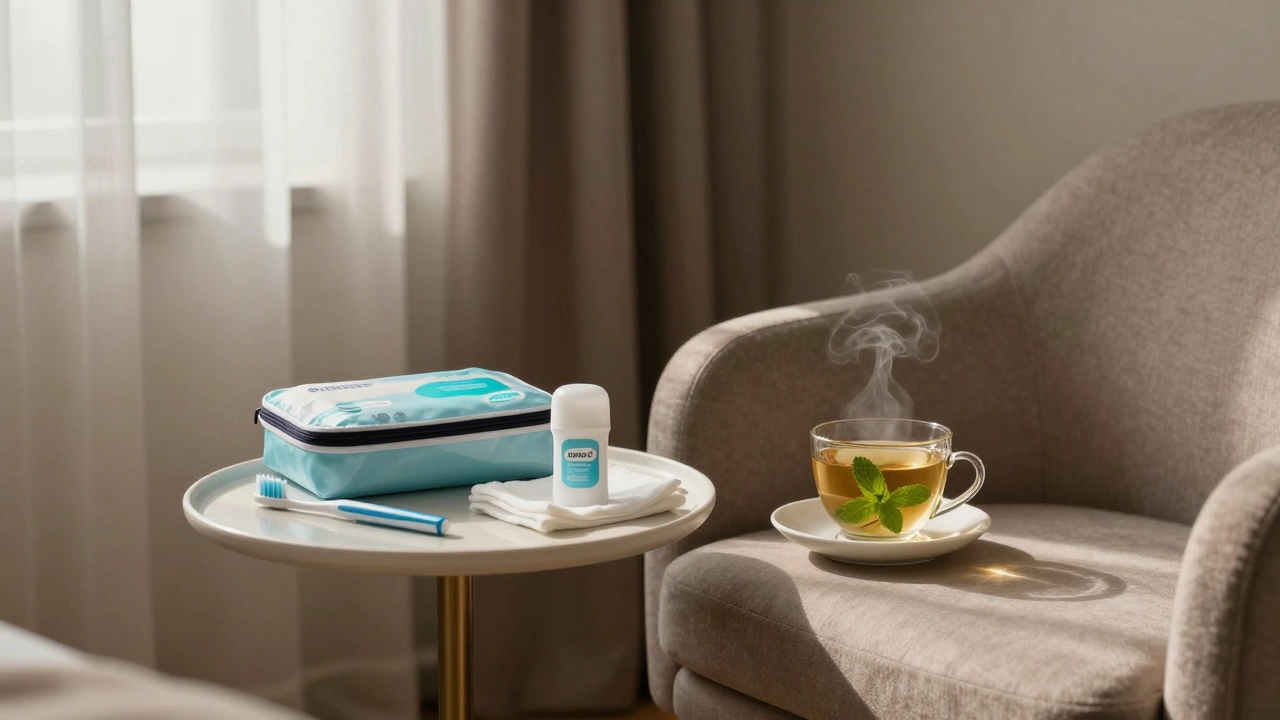
Another trick: keep a small hygiene kit handy. A travel-sized toothbrush, breath mints, a deodorant stick, and a damp cloth. Place it on the side table with a note: "For your comfort-feel free to use." Most people will take the hint. And if they don’t? That’s your signal to reset boundaries.

When They Don’t Take the Hint
Not everyone will catch on. Some people are oblivious. Others are defensive. If you’ve offered gentle cues and nothing changes, it’s time to be clearer-without being harsh.
Say this: "I really value our time together, and I want to make sure it’s comfortable for both of us. For my own peace of mind, I need to keep things fresh and clean. I hope you understand."
That’s not a demand. It’s a boundary. And boundaries aren’t rude-they’re necessary.
If they push back? "I’m sorry, but I can’t continue if this isn’t something we can both respect." Walk away. No guilt. No explanation needed. Your comfort matters as much as their money.
Why This Works Better Than Rules or Contracts
You could write a 10-page client handbook on hygiene rules. But no one reads those. People remember how they felt. If you make them feel respected, they’ll adjust. If you make them feel shamed, they’ll leave-and badmouth you.
There’s a reason why top-tier service providers in every industry-from spas to private chefs-don’t lecture. They create an environment where good habits are easy to follow. You’re doing the same thing. You’re not policing them. You’re guiding them.
And here’s the secret: when you do this right, clients start showing up cleaner. Not because you forced them. Because they want to keep coming back.

Hygiene as a Business Strategy
This isn’t just about avoiding bad smells. It’s about reputation. One client tells another about how clean and professional you are-and suddenly you’re the go-to person. One client complains about someone else’s odor-and you become the safe alternative.
Word spreads fast in tight-knit circles. You don’t need ads. You just need consistency. And consistency starts with small, quiet acts of care.
Think of your space as a brand. Clean towels. Fresh linens. A hint of citrus in the air. These aren’t extras. They’re part of the service. And people will pay more for it.
What About Cultural Differences?
Yes, hygiene standards vary. In some cultures, body odor is ignored. In others, it’s a major social offense. But here’s the thing: if someone is paying you for a private, intimate service, they’re entering your space. That means they follow your rules.
You don’t have to adapt to their habits. You just have to communicate yours clearly and calmly. Most people will respect that. Those who don’t? They’re not your clients.
There are posts on escortforum about clients from different countries who assumed their habits were fine. The ones who adjusted? They kept coming. The ones who argued? They disappeared.
Final Thought: You’re Not a Cleaner. You’re a Professional.
You didn’t get into this line of work to be a hygiene police officer. But you did get into it to provide a service that requires trust, comfort, and mutual respect. That includes the air you breathe together.
Good hygiene isn’t about being perfect. It’s about being considerate. And considerate people build lasting businesses.
So next time you catch a whiff of something off, don’t sigh. Don’t grimace. Don’t ignore it. Offer a mint. Turn on the spray. Leave the towel out. Let them choose. And if they choose to stay clean? That’s your win.
And if they don’t? You’ve already done your part. Now it’s their turn.